Engineering and Technical disciplines form the backbone of global innovation, industrial development, and infrastructure growth. These fields combine scientific knowledge with practical applications to design, build, and manage technologies that shape modern life. From electronics and mechatronics to petroleum, aerospace, and structural engineering, each specialization contributes uniquely to solving real-world challenges and driving progress across industries.
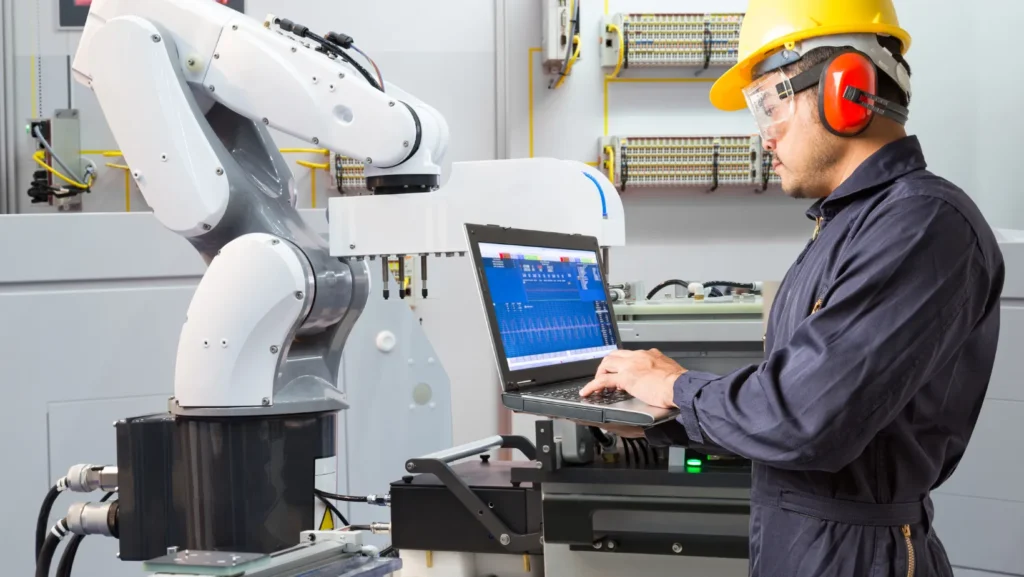
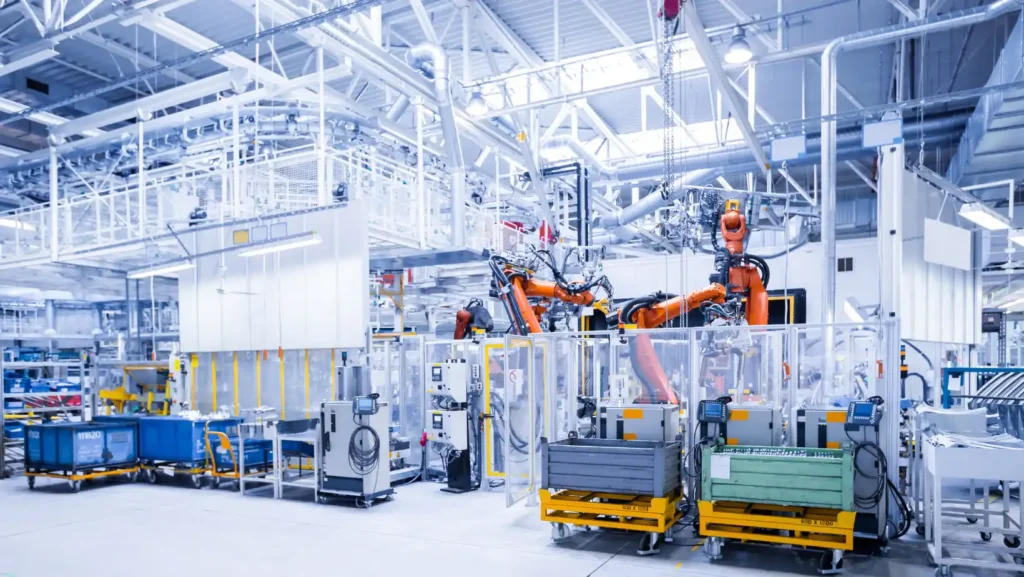
Courses in Electronics Engineering, Mechatronics, Structural Engineering, and Industrial & Manufacturing Engineering prepare learners with the technical expertise to design systems, optimize processes, and support industrial automation. They cover advanced technologies such as robotics, CAD/CAM, and smart manufacturing that are essential to Industry 4.0 and the digital economy. Students gain both theoretical understanding and hands-on skills, enabling them to meet the growing demand for efficiency, sustainability, and innovation in global industries.
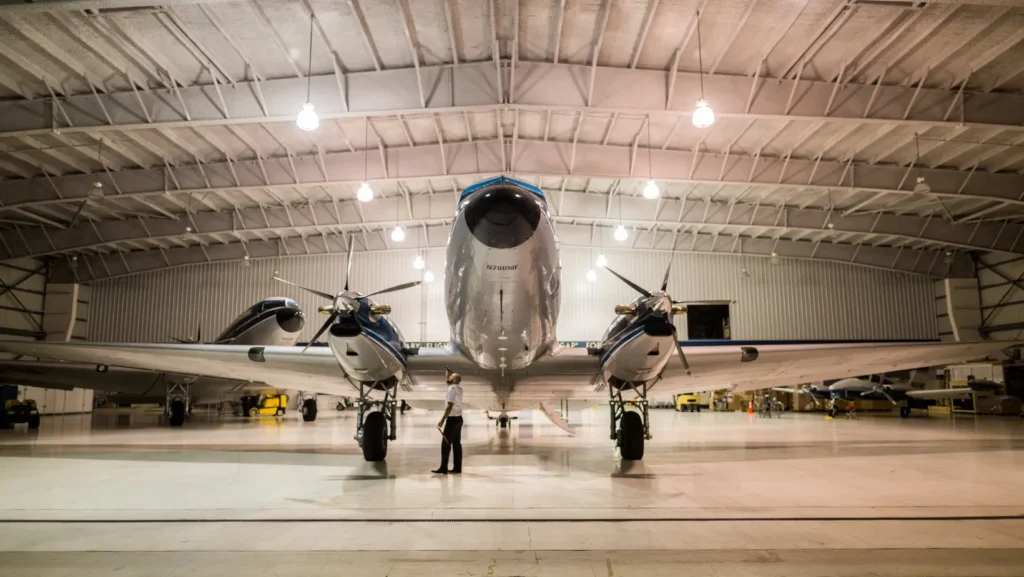
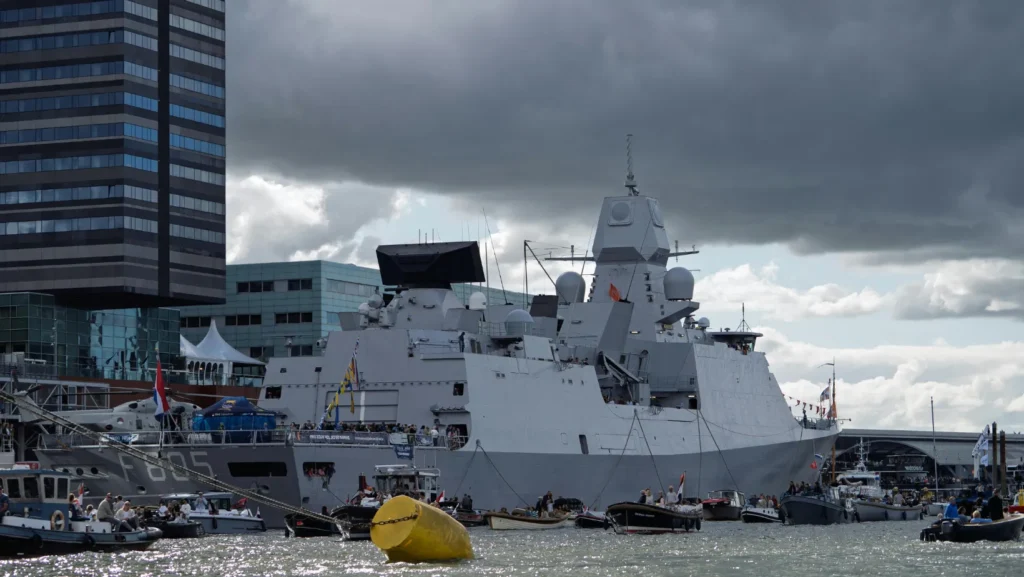
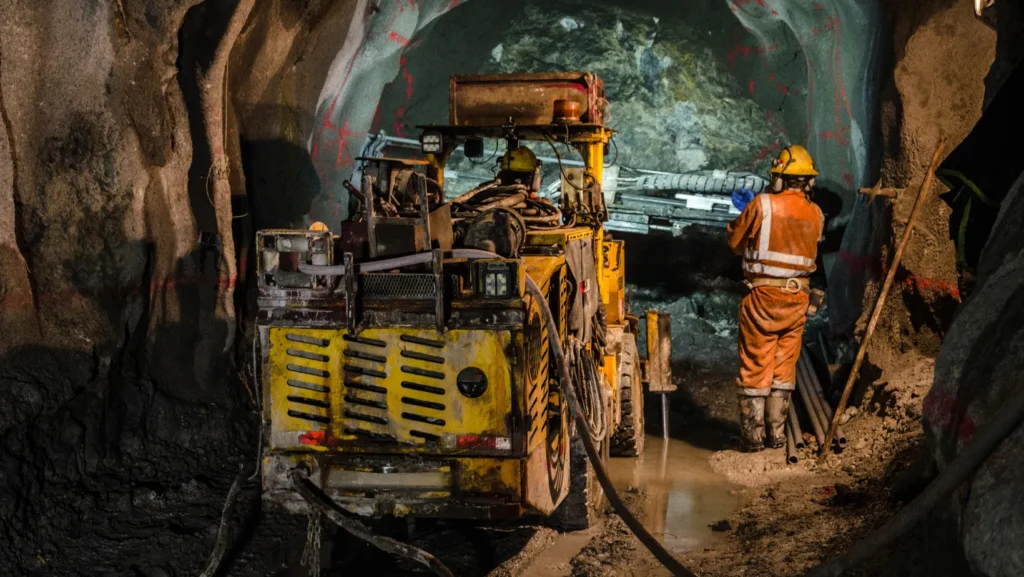
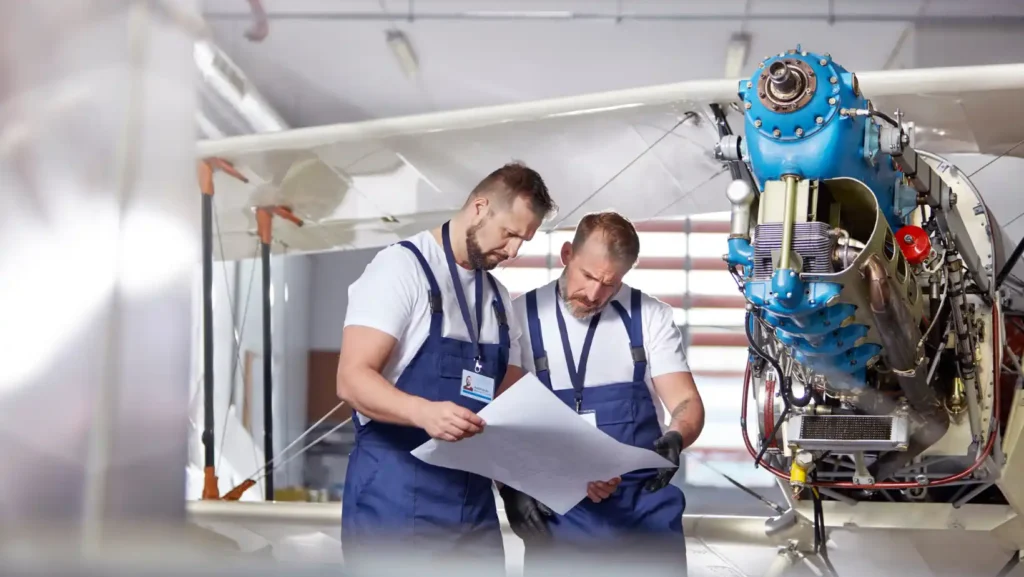
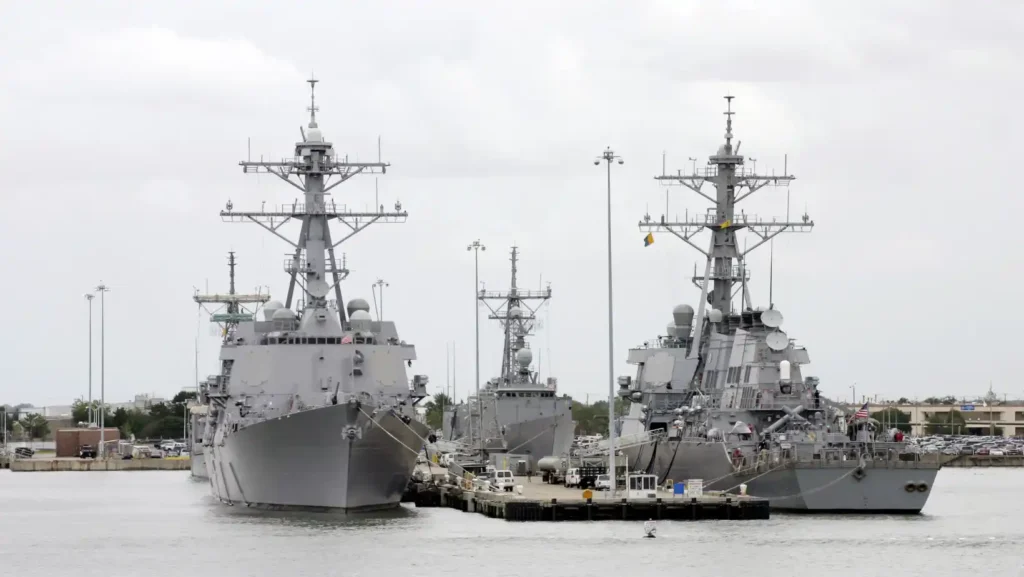
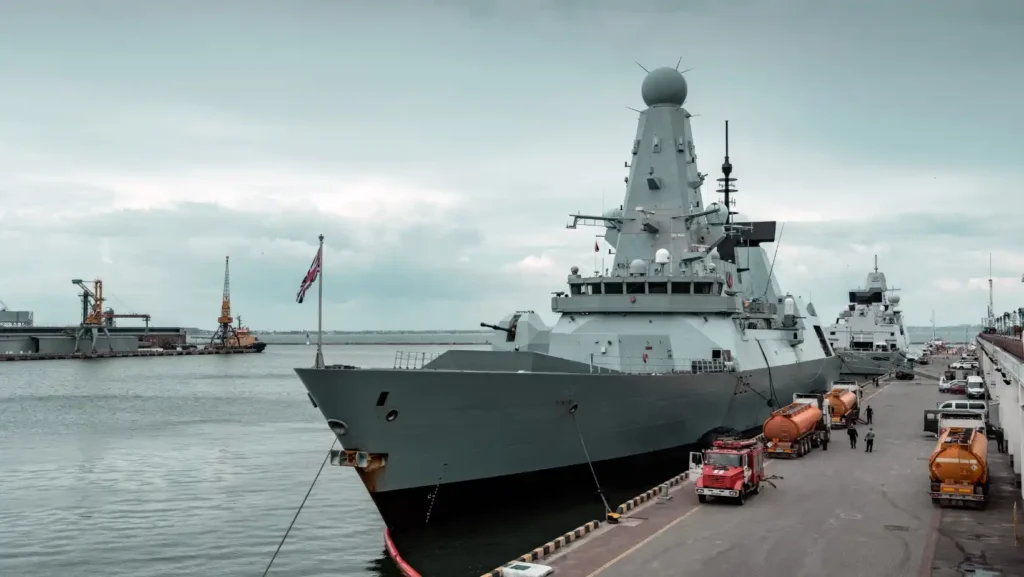
Specialized areas such as Aerospace & Aviation Engineering, Marine & Naval Engineering, Petroleum Engineering, and Mining & Metallurgy Engineering equip learners with knowledge of highly technical sectors vital to international trade, energy production, and natural resource management. These courses emphasize safety, sustainability, and advanced engineering practices, preparing graduates to work in high-demand industries where precision and reliability are critical.
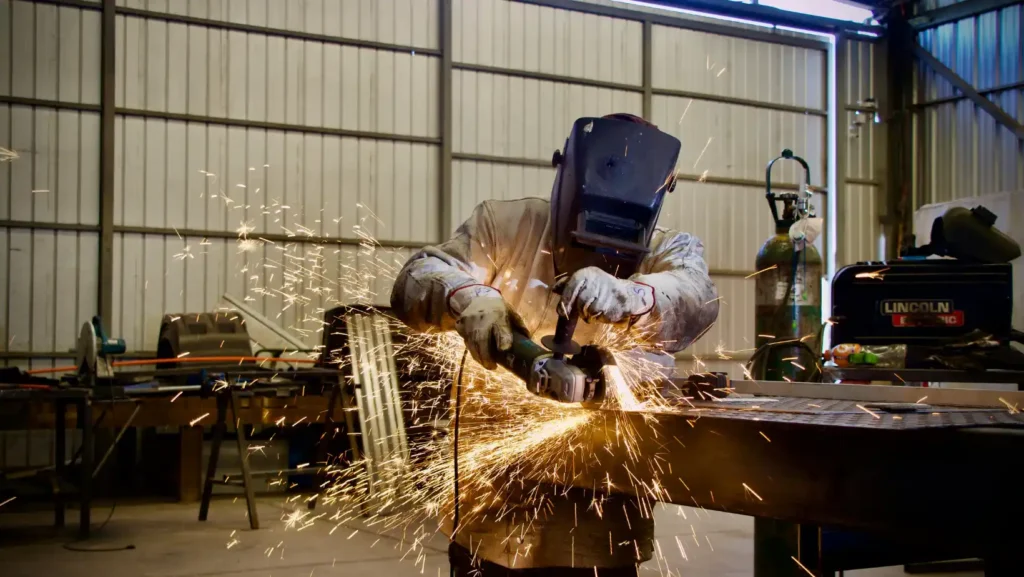
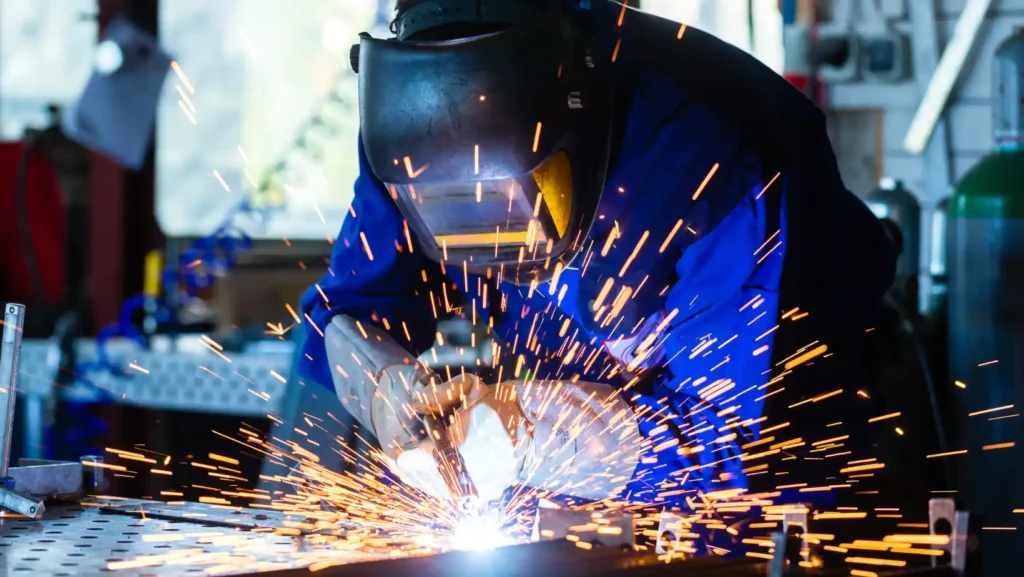
In addition, Welding & Fabrication Technology provides the fundamental skills required in construction, shipbuilding, automotive, and heavy industries. By mastering essential fabrication and welding techniques, learners contribute to the development of durable infrastructure and modern industrial systems. Collectively, these courses create pathways to rewarding careers, offering learners opportunities to become part of industries that power economies and improve the quality of life worldwide.