
Introduction to Energy Management: Concept Explainer Resource
Introduction to Energy Management and Operational Principles
Purpose
The purpose of this Concept Explainer Sheet is to simplify complex energy management theories and connect them to practical workplace applications. Learners will be able to:
- Understand key energy management concepts
- Apply theoretical principles to real-world energy systems
- Make operational decisions based on technical understanding
- Interpret energy data to optimise consumption and reduce costs
- Align operations with UK legislation, standards, and sustainability goals
Visual aids and examples support practical understanding, ensuring learners can translate theory into actionable strategies.
2. Core Energy Management Concepts Explained
2.1 Energy Efficiency
Definition:
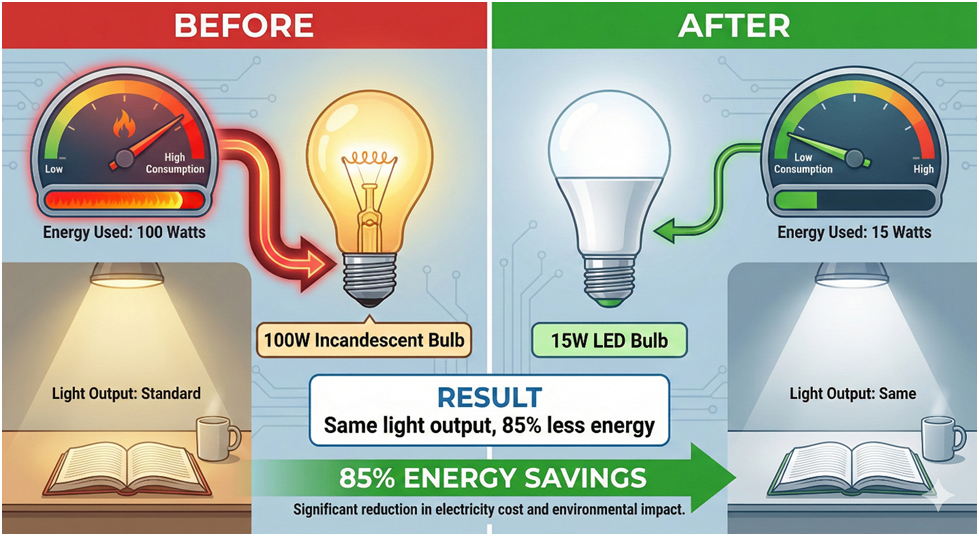
- Energy efficiency is the practice of using less energy to perform the same task or produce the same output.
Workplace Example:
- Replacing conventional lighting with LED systems in office or production areas reduces energy consumption without affecting lighting quality.
Visual Example:
Competency Application:
- Evaluate cost savings from energy-efficient upgrades
- Measure impact on operational performance
2.2 Renewable Energy Integration
Definition:
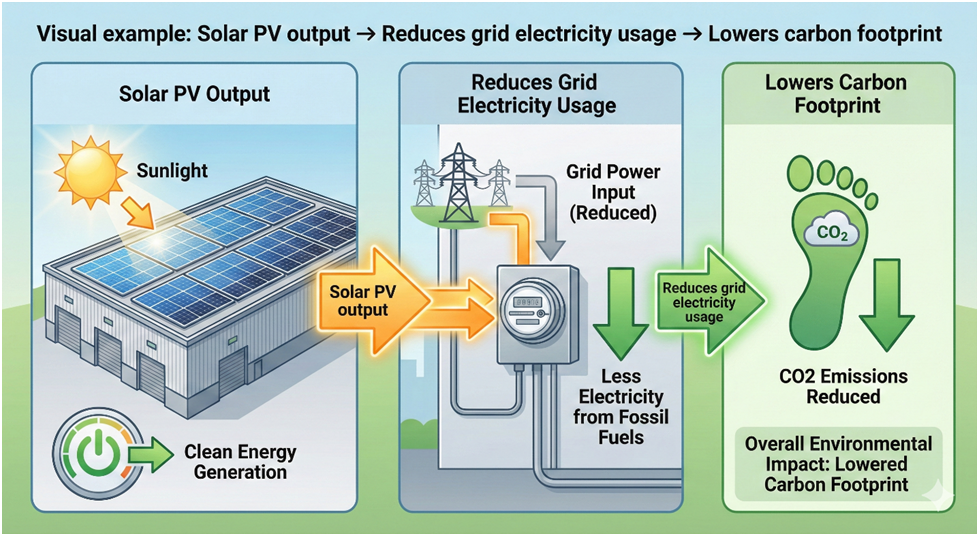
- Use of naturally replenished energy sources, such as solar, wind, hydro, and biomass, to reduce reliance on fossil fuels.
Workplace Example:
- Installing solar PV panels on warehouse roofs
- Using wind turbines to supplement electricity supply
Visual Example:
Competency Application:
- Assess feasibility of renewable energy projects
- Estimate ROI and energy savings
2.3 Energy Auditing
Definition:
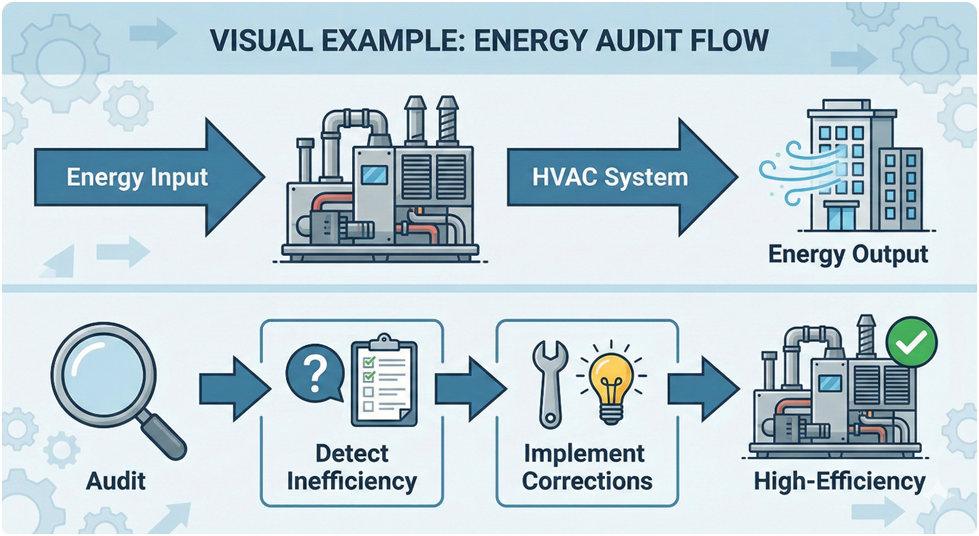
- A systematic inspection and analysis of energy flows to identify efficiency opportunities.
Workplace Example:
- Auditing HVAC systems to find inefficient pumps or unbalanced airflows
- Replacing old motors with high-efficiency equivalents
Visual Example:
Competency Application:
- Conduct ESOS audits
- Recommend operational and technical measures
2.4 Load Profiling and Demand Management
Definition:
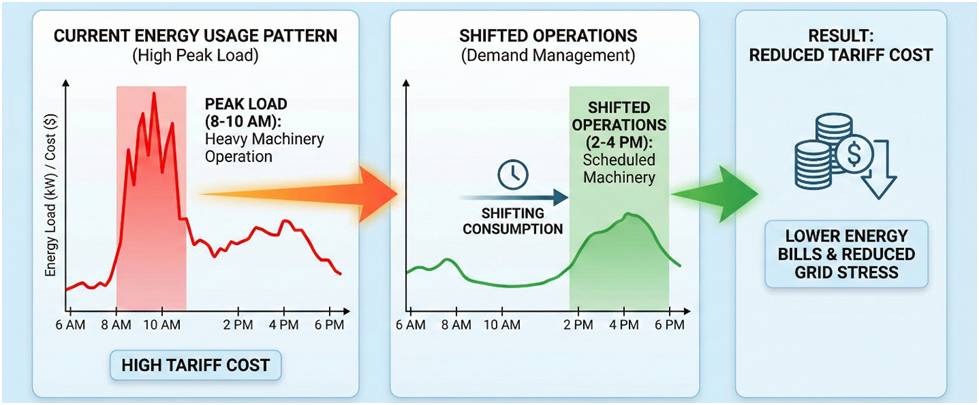
- Load profiling monitors energy usage patterns over time; demand management shifts consumption to reduce peak load.
Workplace Example:
- Scheduling heavy machinery to operate during off-peak electricity tariffs
- Reducing base load overnight in hospitals or office buildings
Visual Example:
Competency Application:
- Monitor sub-meter data
- Implement operational scheduling to reduce costs
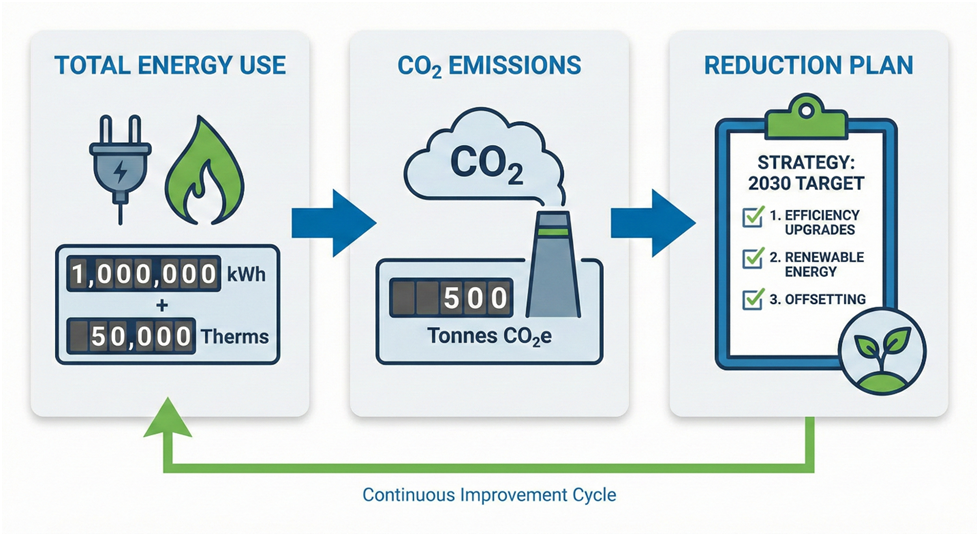
2.5 Carbon Management
Definition:
- Measuring, managing, and reducing greenhouse gas emissions from organisational energy consumption.
Workplace Example:
- Tracking Scope 1 and Scope 2 emissions for SECR reporting
- Switching to low-carbon electricity tariffs
Visual Example:
Competency Application:
- Calculate carbon footprint
- Recommend emissions reduction strategies
2.6 ISO 50001: Energy Management Systems
Definition:
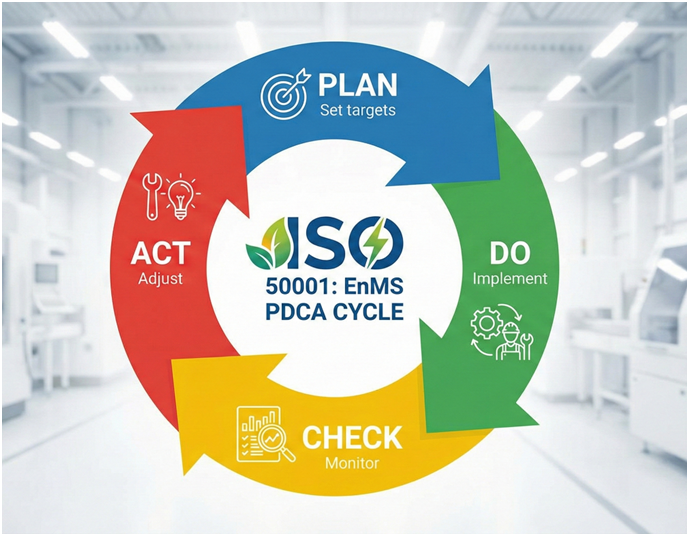
- ISO 50001 provides a framework for establishing, implementing, and maintaining an energy management system (EnMS) to improve energy performance.
Workplace Example:
- Implementing PDCA (Plan-Do-Check-Act) cycle to continually improve energy efficiency in manufacturing plant
Visual Example:
Competency Application:
- Operational planning for continuous improvement
- Benchmarking energy KPIs
2.7 Operational Energy Controls
Definition:
- Practical measures applied to monitor, control, and optimise energy systems in real-time.
Workplace Example:
- BMS controlling lighting, HVAC, and refrigeration based on occupancy
- Using timers, sensors, and automation to reduce energy waste
Visual Example:
Step 1: Sensor detects no occupancy A motion sensor in an office space detects that no one is present.
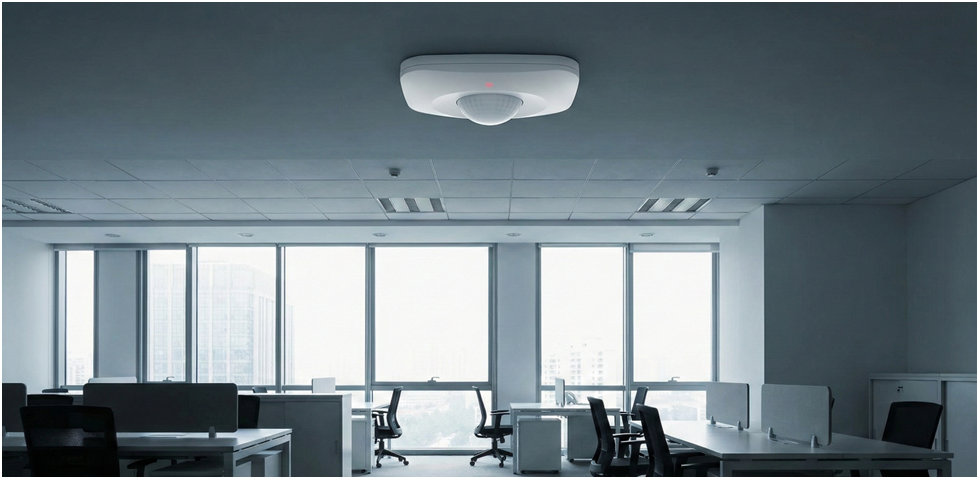
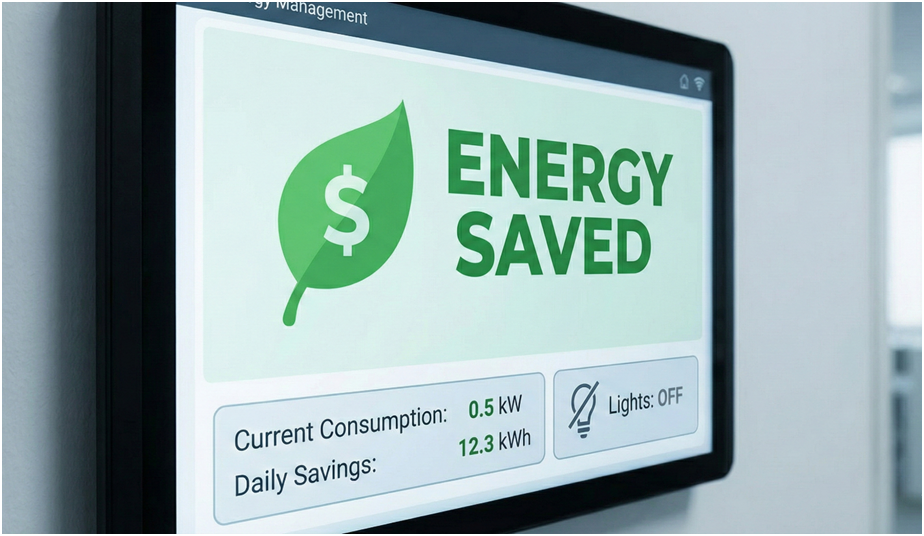
Step 2: Lights OFF As a direct result of the sensor’s detection, the building management system automatically turns off the lights in the unoccupied area.

Step 3: Energy savedThe energy management system logs the reduced power consumption, resulting in energy savings and lower utility costs.
Competency Application:
- Apply operational controls for efficiency
- Maintain compliance with Health & Safety and MEES
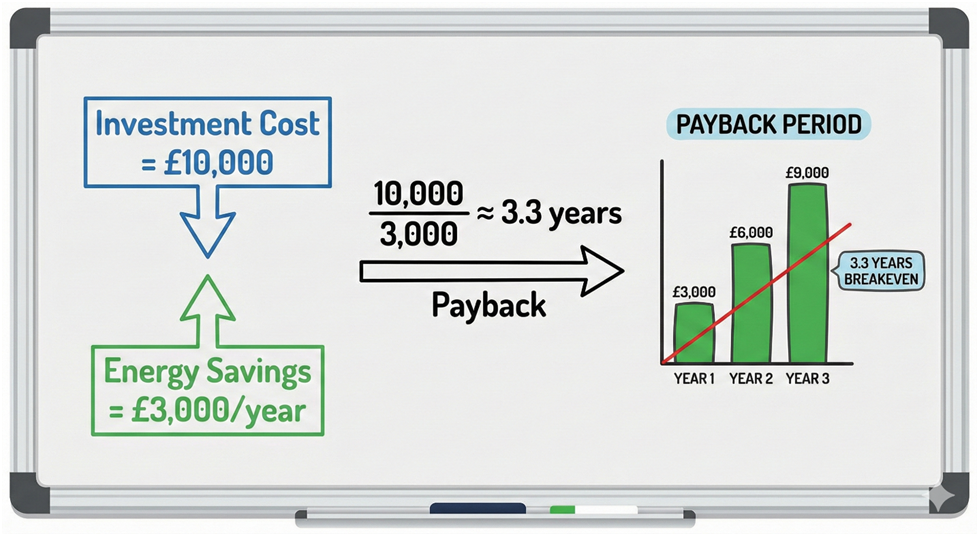
2.8 Cost-Benefit Analysis for Energy Projects
Definition:
- Evaluating financial and operational impact of energy efficiency projects before implementation.
Workplace Example:
- Replacing old motors → Cost of replacement vs energy savings → Payback period calculation
Visual Example:
Competency Application:
- Support decision-making for energy efficiency investments
- Ensure cost-effective operational planning
2.9 Continuous Professional Development (CPD) in Energy Management
Definition:
- Ongoing training and development to stay updated on technologies, regulations, and best practices.
Workplace Example:
- Attending training on ISO 50001 updates
- Learning new renewable energy technologies
Competency Application:
- Maintain professional knowledge
- Apply emerging technologies in operational settings
3. Summary Table of Concepts
| Concept | Definition | Example | Competency |
| Energy Efficiency | Using less energy for same output | LED lighting | Operational improvement |
| Renewable Energy | Using natural replenished energy | Solar PV | Project feasibility & ROI |
| Energy Auditing | Inspect and analyse energy flows | HVAC audit | ESOS compliance |
| Load Profiling | Monitor & shift energy usage | Peak load management | Scheduling & monitoring |
| Carbon Management | Reduce greenhouse gas emissions | Low-carbon electricity | SECR reporting |
| ISO 50001 | Framework for energy management system | PDCA cycle | Continuous improvement |
| Operational Controls | Real-time system optimisation | BMS automation | Safety & efficiency |
| Cost-Benefit Analysis | Financial evaluation of projects | Motor replacement payback | Investment decision |
| CPD | Ongoing professional development | Energy management workshops | Professional competence |
Learner Task
- Match each energy management concept to the correct workplace example:
| Concept | Example |
| Energy Efficiency | a) PV panels installed on roof |
| Renewable Energy | b) LED replacement |
| Energy Auditing | c) HVAC inspection for inefficiency |
| Load Profiling | d) Shift operations to off-peak hours |
| Carbon Management | e) Track and reduce CO2 emissions |
Identify one simple operational control you could apply in your workplace to reduce energy use.
In 2–3 sentences, explain how ISO 50001 supports operational energy efficiency.