
Clarifying Facts in Technical & Operational Energy Management – Level 3
Technical and Operational Energy Management
Purpose
The Myth vs Fact Activity aims to develop critical thinking in energy management by challenging common misconceptions, unsafe practices, or “shortcuts” that often arise in operational settings.
Learners will:
- Identify bad habits or myths that compromise safety, efficiency, or compliance
- Apply correct technical and safety standards (Facts) to mitigate risks
- Understand long-term operational and financial consequences of ignoring facts
- Reinforce behavioral compliance and energy-conscious practices in daily operations
This ensures junior operators and energy personnel are prepared to recognize unsafe or inefficient practices and correct them using UK standards and regulations.
Section 1: Common Operational Myths and Corresponding Facts
| Myth | Fact | Practical Example | Regulatory / Safety Reference (UK) |
| “Boilers can run continuously at maximum output without efficiency loss.” | Modern boilers should operate at optimal load; continuous max operation wastes fuel and increases wear. | Adjust boiler firing rates based on steam demand to save energy. | Part L – Building and heating efficiency; ISO 50001 – Operational control |
| “Insulation is optional; it only increases upfront costs.” | Insulation reduces heat loss and improves energy efficiency, lowering operational costs. | Pipework and steam line insulation can reduce fuel consumption by 15–25%. | Part L – Minimum thermal efficiency; ESOS audit recommendations |
| “Motors should run at full speed at all times; adjusting speed reduces output quality.” | Motors should match output demand using VFDs to save energy while maintaining performance. | Using a VFD on a pump reduces electricity usage without affecting product flow. | ISO 50001 – Energy performance optimization |
| “Lighting can be left on 24/7; it doesn’t impact costs significantly.” | Leaving lights on unnecessarily wastes energy; implement occupancy sensors or timers. | Office floors with motion-sensor lighting reduce electricity consumption by 40–50%. | Part L – Lighting efficiency standards |
| “Regular maintenance slows production, so it can be skipped.” | Skipping maintenance increases energy wastage and risk of equipment failure. | Pump efficiency drops by 10% if bearings are not lubricated → higher electricity use. | ISO 50001 – Maintenance planning; Health & Safety at Work Act |
| “Sub-metering is unnecessary; overall building meter is sufficient.” | Sub-metering identifies high-energy users and allows targeted interventions. | Individual compressor energy monitoring → energy-saving adjustments. | ESOS – Mandatory energy assessment; ISO 50001 – Measurement |
| “Smart thermostats are just a convenience; they don’t save much energy.” | Automated temperature control reduces heating/cooling energy consumption significantly. | Setbacks during non-occupancy periods save 10–15% on heating bills. | Part L – Smart control compliance; ISO 50001 – Operational control |
Section 2: Root Cause Analysis of Myths
For each myth:
- Identify why the myth persists
- Lack of awareness/training
- Misconceptions about cost vs. savings
- Historical practice without measurement
- Explain consequences if myth is followed
- Increased energy costs
- Reduced equipment life
- Safety risks for operators
- Provide evidence-based fact
- Link to UK legislation, ISO 50001, ESOS, Part L
- Include data or case studies demonstrating improved outcomes
Example:
- Myth: “Motors should run at full speed at all times.”
- Root Cause: Operators fear reduced throughput or product quality; no awareness of VFDs.
- Consequence: Higher electricity consumption, more wear and tear, shorter equipment life.
- Fact: Use Variable Frequency Drives (VFDs) to match speed to demand → energy savings, same output.
Section 3: Workplace Application – Mini Scenarios
Scenario 1 – Industrial Pump House
- Situation: Operators always run three pumps at full load even when demand is low.
- Task for Learner:
- Identify the myth
- Explain energy loss and potential equipment wear
- Recommend a fact-based solution using VFDs and sub-metering
- Link recommendations to ISO 50001 and Part L compliance
Scenario 2 – Office HVAC & Lighting
- Situation: Staff leave lights and heating on 24/7 in unoccupied areas.
- Task for Learner:
- Identify myths
- Evaluate cost impact over a month/year
- Suggest solutions: occupancy sensors, smart thermostats, LED lighting
- Reference UK ESOS and Part L standards
Scenario 3 – Boiler Maintenance
- Situation: Preventive maintenance is skipped to avoid downtime.
- Task for Learner:
- Identify myth
- Explain long-term impact on fuel efficiency and risk of breakdown
- Provide fact-based corrective actions
- Reference ISO 50001 and UK Boiler Efficiency Regulations
Section 4: Visual Examples
Diagram 1 – Energy Loss Due to Myth-Based Practices
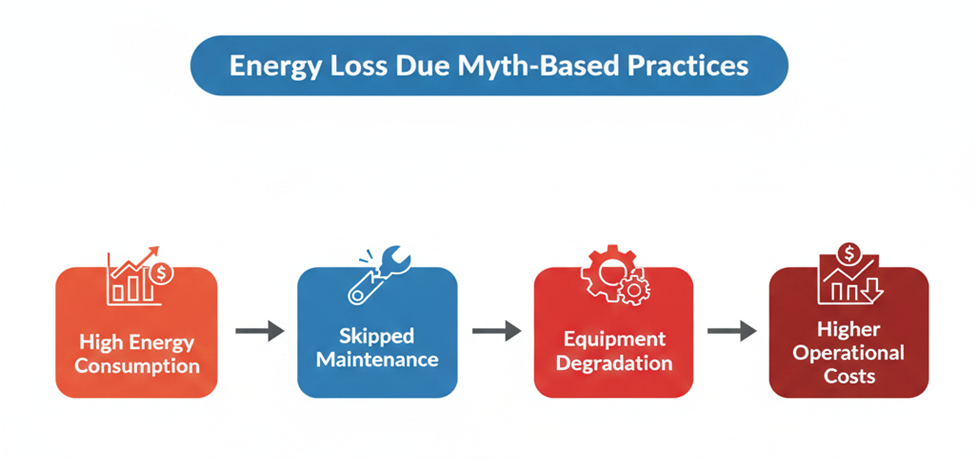
Diagram 2 – Fact-Based Corrective Actions Flow
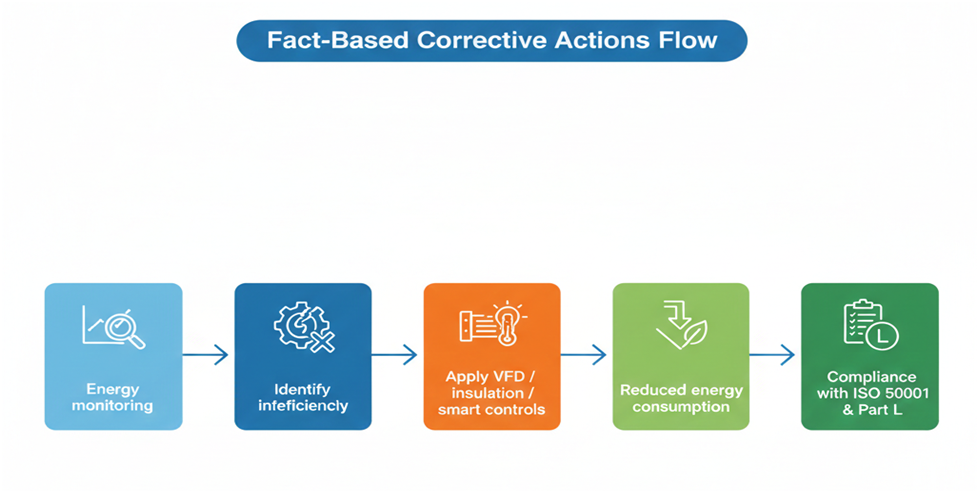
Diagram 3 – HVAC/Lighting Myth vs Fact Comparison
| Area | Myth Action | Fact Action | Savings / Benefit |
| Lighting | Leave on 24/7 | Occupancy sensors + LED retrofit | 40–50% energy saving |
| Heating | Constant temperature | Smart thermostat + zoning | 10–15% fuel saving |
| Pumps | Full speed | VFD + demand matching | 15–20% electricity saving |
Section 5: Vocational Application Guidance
- Link each fact to measurable energy outcomes.
- Use observational audits to detect myths in real workplaces.
- Ensure junior operators understand behavior correction through training and SOPs.
- Encourage continuous improvement by documenting myth-to-fact transitions and tracking KPIs.
Learner Task
Instructions:
- Review the myths table above.
- Choose two myths relevant to your workplace or scenario provided.
- For each myth:
- Explain why the myth exists (Root Cause)
- State the correct fact (UK regulation/compliance reference)
- Describe the operational action you would take to correct it
- Reflect briefly (150–200 words) on how correcting these myths improves energy efficiency, safety, and compliance.