
Electrical Circuit Fundamentals Explained for Engineers
Fundamentals of Electrical Circuits
Introduction and Purpose
Electrical circuits are essential to all electrical engineering work, forming the backbone of industrial, commercial, and domestic systems. Understanding how electricity moves, how components interact, and how to design safe systems is critical for professional engineers.
This Concept Explainer Sheet is intended to simplify complex electrical theories and make them practical for workplace application. The explanations provided focus on:
- Linking theory to real-world circuits.
- Developing skills to analyze and troubleshoot systems.
- Supporting safe and compliant design according to UK regulations.
The purpose of this document is to help learners:
- Develop practical understanding of circuit behavior.
- Apply analysis techniques in vocational scenarios.
- Make informed decisions about system design, operation, and safety.
Learners are encouraged to read, reflect, and apply the knowledge in practical exercises and workplace simulations. This will prepare them for real-world engineering tasks while developing critical thinking and problem-solving skills.
Core Electrical Concepts
Understanding basic electrical concepts is the first step toward mastering circuit design and analysis. Electrical systems are built around three essential elements: the driving force, the flow of energy, and the opposition to flow.
- Voltage: Acts as the energy source, pushing electricity through the system. It can be visualized as pressure in a water pipe, determining how energy reaches components.
- Current: Represents the movement of electrical energy through the circuit. Its distribution affects the functioning of each component.
- Resistance: Determines how much energy is consumed or slowed in a circuit. Components with higher resistance receive less energy, which affects overall system performance.
Practical Observations in Circuits:
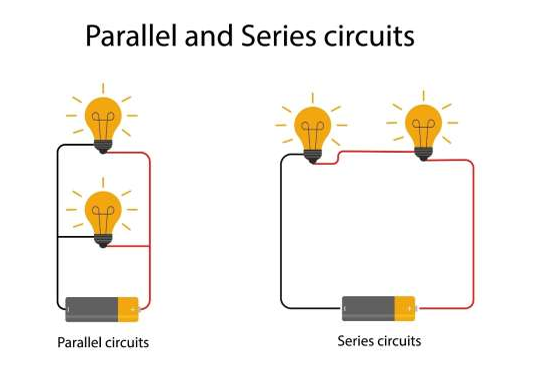
- Components arranged in series share the same flow of energy, but the energy divides among them.
- Components arranged in parallel operate independently, allowing different parts of a system to function simultaneously.
- Many real-world systems use a combination of series and parallel arrangements to achieve desired outcomes.
Workplace Examples:
- Domestic lighting: Ensures multiple lights receive adequate energy without overloading the circuit.
- Industrial control panels: Distributes energy to multiple devices while maintaining safe operation.
- Motors: Requires careful planning of energy distribution to avoid overheating and inefficiency.
Understanding these concepts allows engineers to anticipate how systems behave under different conditions, a skill essential for troubleshooting and system optimization.
Understanding Energy Flow and Circuit Behavior
Predicting how energy moves through a circuit is a critical skill for engineers. Energy flow determines whether components operate safely and effectively.
Key Observations:
- Adding components in series can reduce energy reaching individual elements.
- Parallel arrangements allow components to operate independently.
- Changes in one part of a circuit can affect the entire system if not carefully managed.
Applied Examples:
- Commercial lighting systems: Energy must be distributed to multiple fixtures without overloading any one branch.
- Industrial motors: Ensuring all motors receive adequate energy prevents breakdowns and downtime.
- Residential systems: Appliances must be powered safely without tripping protection devices.
Practical Learning:
- Use training boards or simulation software to observe energy flow in different configurations.
- Reflect on system performance, noting how changing one element affects others.
- Develop the ability to predict outcomes in new or altered circuits.
This understanding enables engineers to design efficient systems, troubleshoot effectively, and ensure safety compliance.
Design Principles in Electrical Systems
Designing practical circuits requires more than theoretical knowledge—it involves planning, selecting appropriate components, and anticipating how systems will behave in real-world conditions.
Design Steps:
- Assess system requirements, including the type of load, environment, and expected performance.
- Plan the arrangement of components to ensure smooth energy flow and safe operation.
- Select components that are durable, reliable, and compliant with UK safety standards.
- Use simulation tools to visualize system behavior before physical implementation.
Workplace Examples:
- Designing a lighting network for a school, ensuring independent control of different classrooms.
- Planning an industrial conveyor control panel where multiple motors operate in sequence.
- Organizing energy distribution in a commercial building to prevent overloading.
Reflective Practice:
- Evaluate simulation results and identify potential weak points.
- Modify designs to improve performance and safety.
- Document design decisions to support future maintenance and compliance audits.
Effective design skills combine technical knowledge with practical reasoning, preparing learners for real-world electrical engineering challenges.
Troubleshooting and Practical Problem Solving
Troubleshooting is an essential vocational skill. Circuits rarely operate perfectly, and engineers must quickly identify and resolve faults.
Practical Techniques:
- Observe system performance and note irregularities.
- Inspect wiring, connections, and components for signs of wear or failure.
- Use appropriate testing tools to safely monitor energy flow.
Safety Considerations:
- Always isolate circuits before inspection.
- Follow UK safety regulations and standards to prevent accidents.
- Use personal protective equipment when handling live or high-energy circuits.
Applied Scenarios:
- Identifying a faulty light in a series of office lights.
- Diagnosing uneven energy distribution in industrial motors.
- Ensuring protective devices operate correctly in commercial electrical panels.
Reflective Practice:
- Record observations, actions, and outcomes for future reference.
- Learn from patterns of failure to improve designs.
- Integrate insights into planning safer, more reliable systems.
Simulation and Applied Learning
Simulation bridges the gap between theory and practice, allowing learners to test systems safely before implementation.
Benefits of Simulation:
- Observe how energy moves through complex circuits.
- Identify potential issues without risk to personnel or equipment.
- Compare predicted outcomes with actual results for deeper understanding.
Practical Applications:
- Testing a proposed office lighting circuit to ensure even energy distribution.
- Simulating motor control sequences for industrial machinery.
- Evaluating emergency systems for safe operation under varying loads.
Learning Approach:
- Develop realistic scenarios that mirror workplace conditions.
- Reflect on simulation results, identifying discrepancies and improvement areas.
- Apply lessons learned to physical systems, enhancing problem-solving skills.
Simulation fosters a hands-on understanding, improves critical thinking, and builds confidence in real-world applications.
Learner Tasks
Task Overview
To demonstrate your mastery of the concepts covered in this Explainer Sheet, you must produce a formal Circuit Theory Written Assignment.
Imagine you are a Senior Design Engineer. You are required to write a Technical Guidance Document titled “Principles of Circuit Behaviour” to be used as a training resource for new graduates entering your firm. This document must bridge the gap between abstract theorems and their practical utility in UK engineering.
Instructions
Your written assignment must address the following three theoretical areas:
Section 1: Theoretical Analysis of Circuit Topologies
- The Theory: Provide a detailed comparison of Series versus Parallel network topologies.
- The Analysis:
- Theoretically analyze how Voltage and Current distribute differently in each configuration.
- Use Kirchhoff’s Current Law (KCL) to explain why a break in a series circuit stops all flow, whereas a break in a parallel branch isolate only that load.
Section 2: The Impact of Resistance on System Performance
- The Theory: Analyze Resistance as the “Opposition to Energy Flow.”
- The Analysis:
- Use Ohm’s Law (V=IR) to theoretically explain the concept of “Voltage Drop” along a conductor.
- Discuss the relationship between resistance and heat dissipation (P=I2R).
- Vocational Link: Explain how an “undersized” cable (high resistance) creates a fire hazard even if the fuse does not blow.
Section 3: Safety by Design and Regulatory Compliance
- The Theory: Discuss how understanding circuit behavior informs safe design.
- The Analysis:
- Explain the theoretical relationship between Circuit Loading (Current) and Protective Device Ratings (e.g., why the breaker rating must be lower than the cable’s current-carrying capacity).
- Vocational Link: Reference the Electricity at Work Regulations 1989 (EAWR) to explain why understanding “Stored Energy” (Capacitance/Inductance) is critical for Safe Isolation procedures.
Submission Guidelines / Evidence for Portfolio
To achieve the credits for this unit, you must upload the following specific evidence to your learner portal:
Evidence Type: “Circuit theory written assignments”